But not all prefilled systems are created equal. If you’ve been browsing the vaping market lately, you’ve probably noticed a slew of acronyms and industry jargon that can be downright confusing. TPD is one of those terms that keeps popping up — especially if you’re in Europe or considering purchasing EU-compliant vaping products. So what is the Tobacco Products Directive, and why does it matter for your vape experience?
What Is the Tobacco Products Directive (TPD)?
Put simply, TPD is an EU regulation that governs the manufacture, presentation, and sale of tobacco and related products, including vaping devices. It sets out rules designed to ensure health and safety standards, mainly to protect consumers.
These regulations cover a wide range of areas, from packaging requirements and ingredient standards to product capacity limits. The TPD is crucial for manufacturers and consumers alike because it directly shapes what vaping products are available on the market and how they perform.
Why TPD Matters in Vaping
- Standardized pod size and nicotine limits. For example, prefilled pods are limited to 2ml capacity, and nicotine strength tops out at 20mg/ml. Strict labeling and safety requirements. This includes childproof packaging and ingredient transparency. Limitations on advertising and product promotion. This influences how brands connect with users.
These regulations create a baseline of quality and safety, but they also restrict innovation in some ways. So, what makes certain prefilled pod systems work better than others within these boundaries? Let’s explore.
Hayati Pro Max Plus: Engineering Meets Regulation
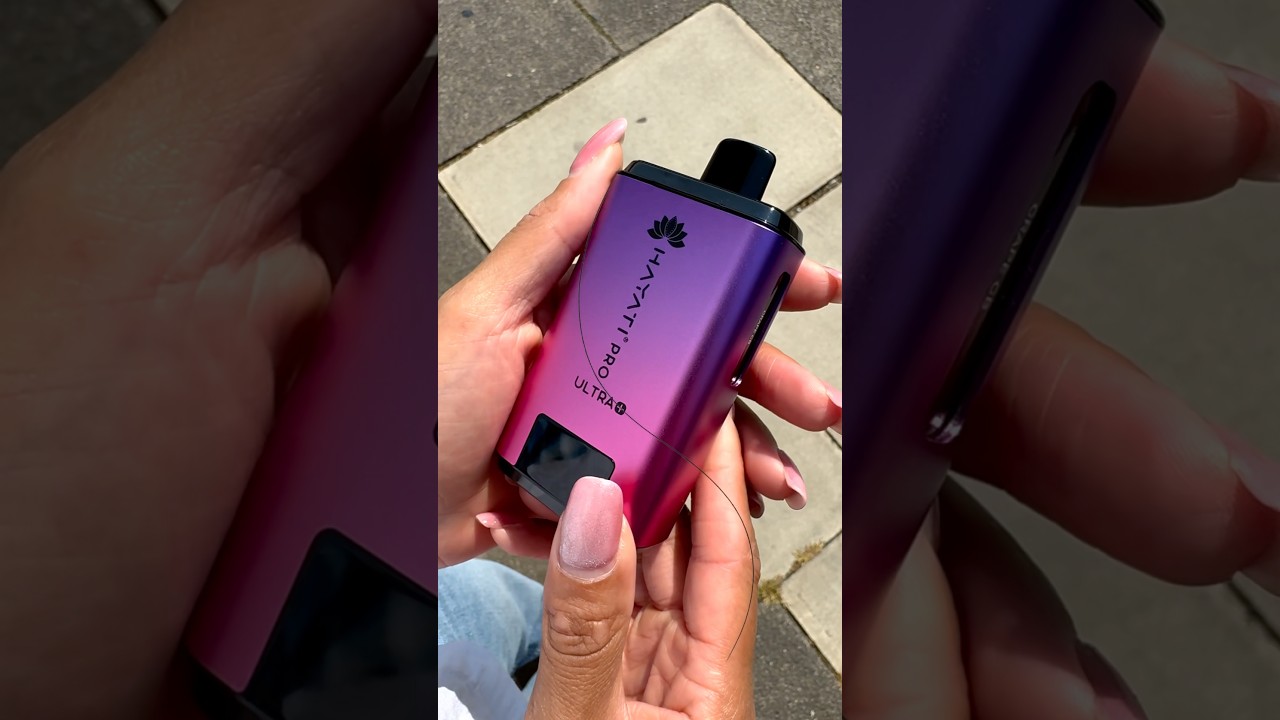
Hayati is one company that has taken the TPD constraints and turned them into an engineering advantage. Their Pro Max Plus model features a dual-chamber design that sets it apart from many standard prefilled pod devices.
Dual-Chamber Design Benefits
- Flavor Separation: Dual chambers allow for two distinct flavor zones, which helps maintain a more complex and consistent flavor profile compared to single-chamber pods where flavors can blend unpredictably. Longer performance window: By compartmentalizing liquid, you reduce flavor degradation over time. No more flat or muted puffs halfway through the pod’s life. Structural integrity: The design reduces the risk of leaking, a common issue with many TPD-compliant pods.
Hayati’s approach shows how smart design can push beyond bare compliance and actually enhance user experience.
Mesh Coil vs. Standard Coil Technology
Almost every modern vape device uses either a mesh coil or a traditional wire coil. Understanding the difference can help you troubleshoot flavor issues or decide which device offers better value.
Feature Mesh Coil Standard Wire Coil Heating Area Large surface area for uniform heating Smaller, concentrated coil Flavor Quality Smoother, richer, and more consistent Variable, often harsher Durability Longer lifespan Prone to burning out faster Cost Typically higher upfront cost Usually cheaperHayati’s Pro Max Plus uses mesh coil technology to optimize both flavor delivery and longevity — another nod to quality engineering within TPD’s 2ml pod limit.
Cost-Per-Puff Analysis: Getting the Most Bang for Your Buck
In the prefilled pod market, you’ll typically pay between £4 to £5 per standard 2ml pod. Knowing the product’s puff count is essential to calculating cost efficiency.
For example, if a 2ml pod delivers approximately 200 puffs, here’s a simple cost-per-puff breakdown:
Pod Price Estimated Puffs Cost Per Puff £4.00 200 £0.02 £5.00 200 £0.025But here’s the catch: not all pods fully deliver on their “200 puffs” claim. Pods using mesh coils and robust build quality—like Hayati’s offering—tend to deliver a more consistent puff count and flavor. Conversely, cheaper or counterfeit pods often fall short, increasing the real cost-per-puff.
The Importance of Flavor Consistency and Performance Window
No system is perfect, right? One overlooked but crucial aspect in TPD-compliant vapes is the performance window — the period during which the pod delivers optimal flavor and vapor production.

- Flavor Fade: Many pods lose flavor halfway or even earlier, especially if the coil or wick isn’t up to par. Leaking: Poor pod design can lead to messy leaks that not only waste e-liquid but damage the device. Vapor Consistency: The smoothness and throat hit can change as the pod empties or the coil deteriorates.
TPD’s restrictions on pod size unintentionally create pressure for companies to innovate on coil quality and pod build. That’s why Hayati’s use of a vape pod maintenance dual-chamber design and mesh coils is noteworthy — it helps maintain flavor stability and vapor quality within the shortened performance window.
Leveraging Modern Tools: USB-C Charging and LED Screens
If you think of vaping devices as just disposable sticks or dumb pods, think again. Modern TPD-compliant devices increasingly use tech features that improve convenience and user experience.
- USB-C Charging: Faster, more reliable, and universally compatible. USB-C has become the industry standard, replacing older micro-USB ports. It minimizes the downtime between charges and extends device life. LED Screen: Though not always common in prefilled pod systems, some brands incorporate LED screens to display battery life, puff count, and device status, giving users better control and awareness.
Hayati’s Pro Max Plus includes both USB-C charging and an LED screen, enhancing usability without compromising compliance.
Don’t Fall for the Common Mistake: Buying Counterfeit Vape Products
One of the most significant risks in today’s vape market is the proliferation of counterfeit products. These knock-offs often look identical to brand-name devices but skimp on essential engineering details, safety standards, and ingredient quality.
Why Counterfeits Are Dangerous and Wasteful
- Leaking and poor build quality: Often counterfeit pods can’t maintain the integrity needed to comply with TPD liquid limits, leading to messy leakage. Inconsistent flavor and vapor: Cheap coils and e-liquid formulations result in a poor experience and lower puff counts — increasing your cost per puff significantly. Potential health risks: No guarantee of ingredient safety or proper nicotine levels.
Always purchase from authorized retailers or directly from reputable companies like Hayati to avoid these issues. Look for TPD compliance markings, genuine packaging, and preferably use devices with USB-C charging and LED indicators — often signs of legitimate, thoughtfully designed products.
Summary: Vape Regulations Explained and How They Shape Your Experience
The Tobacco Products Directive has set firm rules that restrict pod capacity, limit nicotine strength, and demand safety and labeling standards. While this may stifle some innovation, companies like Hayati demonstrate that within these constraints, engineering ingenuity can deliver excellent user experiences.
When evaluating prefilled pod systems, consider:
The coil technology: Mesh coils generally offer better flavor and durability. The pod design: Dual-chamber systems reduce flavor fade and leaking. The price vs. puff count: Analyze your cost per puff to find true value. Device features: USB-C charging and LED screens add convenience and control. Vendor authenticity: Avoid the pitfalls of counterfeit products by buying reputable brands.Understanding what TPD means for vaping isn’t just about legal compliance—it’s about recognizing how these regulations shape the products you use daily. Stay informed, focus on engineering quality over marketing fluff, and you’ll get the most from your vaping experience.